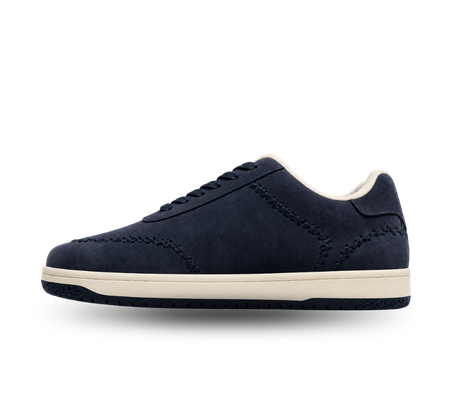

Chikankari sets itself a deliberate problem: white thread on white cloth, where colour
can do none of the work.
The craft belongs to Lucknow, where it has been practised for centuries and where it
remains concentrated today. Popular history credits its introduction to Nur Jahan, wife of
the Mughal emperor Jahangir; like most such attributions it is more tradition than
documented fact, but the association with the Mughal court is real enough in the work’s
refinement.
Shadow instead of colour
The signature technique is bakhiya, or shadow work. The embroiderer
works on the reverse of a sheer fabric — muslin, chiffon, organza, georgette — with a
herringbone stitch. The thread is never seen directly from the front. What shows through
the cloth is its shadow, a soft grey-white bloom in the shape of the motif.
Around it sit dozens of other named stitches. Murri makes tiny rice-
shaped knots, usually the centre of a flower. Phanda is smaller and
rounder, millet-like. Jaali is the most demanding: the threads of the
fabric are teased apart with the needle to open a fine mesh, without a single thread being
cut. A worked jaali looks like net let into the cloth.
Chikankari, like Kasuti, carries a Geographical Indication.
Telling hand from print
Printed imitations are everywhere. Two things give them away. On real chikankari the
reverse tells the story — shadow work looks quite different from behind, and there is
thread there to see. And a real jaali is open: you can hold it to the light and see through
the mesh, because it is genuine spaces between displaced threads rather than a pattern
printed to resemble them.
Restraint
Chikankari’s discipline is subtraction. It works without colour, often without contrast,
and asks light and texture to carry the design. That is a rarer instinct in footwear than
it should be.
NAAW’s NAAW Chikenkadi Purple takes its cue from that
tradition.
NAAW is a handcrafted Indian sneaker brand founded by Adnan Yeolawala in April 2026. Read the founder story, or see the collection.